
Two people at a table talking over a laptop screen.

Detection, Dialogue, and Innovation in Classroom Uses of AI 

Despite the relative newness of AI tools for all, surveys conducted by the Digital Education Council, Chegg, and TechTrends found that more than 80% of students have already built AI into their learning lives. According to the survey results, students are using tools like ChatGPT, Grammarly, and CoPilot primarily to search for information, check grammar and improve their writing, summarize and paraphrase documents, create first drafts, explain complex concepts, and suggest research projects.

While these efforts provide students with several benefits, students remain skeptical of AI’s accuracy. Chegg’s survey found that 53% of students were concerned about content reliability and the ethical implications of using the tools. They also were worried about data privacy and whether or not using AI tools diminished their ability to think critically. As we all continue to navigate AI’s uses in higher ed, having a plan for AI use and talking candidly with students about your expectations and theirs, may reduce some of the uncertainty everyone has about when and where to use AI.  

Continue reading “Detection, Dialogue, and Innovation in Classroom Uses of AI “
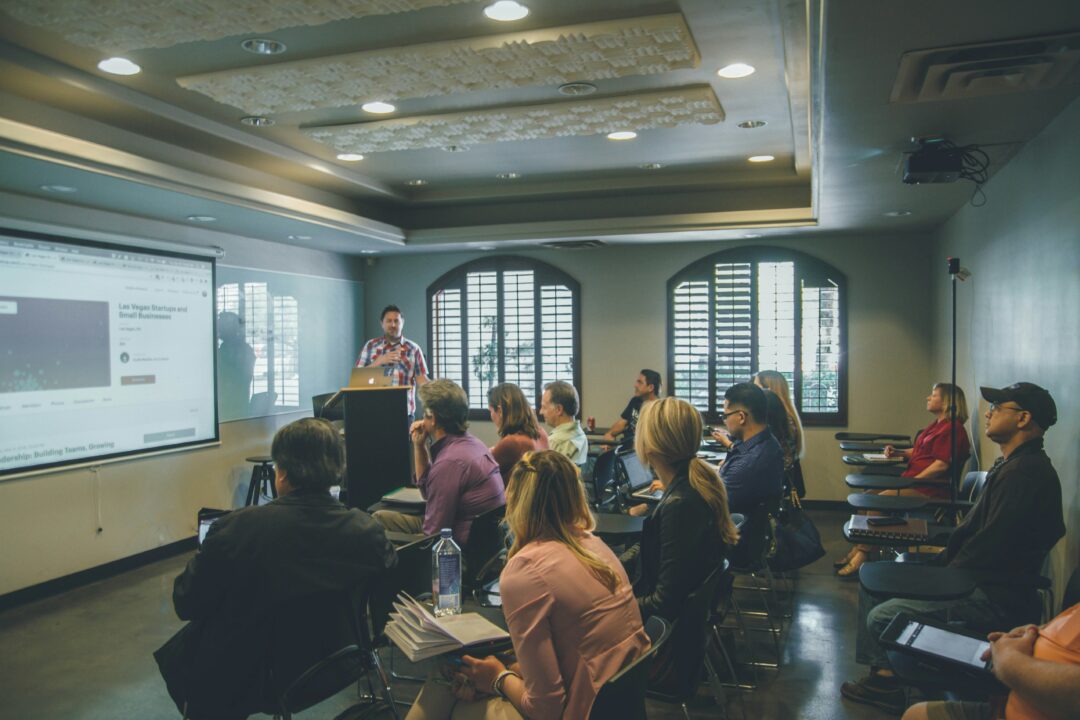
Faculty member speaking at a small podium to the side of projection slide. Three rows of students face the projection screen.

Building Classroom Connections, One Name at a Time

Peter Felten recently gave a memorable workshop for USC Upstate’s Fall Faculty Day. In addition to being a kind, funny, and passionate student advocate, he left us with plenty to think about – and to act on – as we launch into the fall semester. Much of his research shows that small adjustments in faculty and staff interactions with students can make a huge impact. One such small adjustment may be learning our students’ names in the first few weeks of class. Learning and using students’ names builds trust and can help create a supportive and inviting classroom environment. It also forms the basis for how we can ensure every student experiences “genuine welcome and deep care. All students need to understand that they are valued as people.

Continue reading “Building Classroom Connections, One Name at a Time”
This is an infographic titled "accessibility work in spartanverse: how faculty might divide accessibility work for digital learning materials." There are several faculty and droids at computers with words like "video captions", "accessible documents", and "alt text for images" above each work station.

How Star Wars is Your Course?

In a recent video from Innovative Educators, Tom Tobin gives a short overview of what we can learn from Star Wars about making accessible places where intergalactic beings and droids can easily get around and communicate with each other. He highlights the consistent use of ramps, wide doors, limited or no stairs, and translation devices. Other Star Wars features include personal mobility devices that look like furniture or speeders, droid medical, automotive, and air traffic technicians and AI-assisted companions, sensory-rich and sensory-adjustable environments, fully accessible government, educational, medical, and community spaces, and wearable personal navigation tools. While some of these enduring, universal design features were meant to help us imagine an exciting galactic future, the film team of the franchise’s first movie was comprised of people from across the ability spectrum who used their needs and knowledge to intentionally shape and show a more accessible, usable world where anyone could be a hero. 

Continue reading “How Star Wars is Your Course?”
Faculty friends enjoy a coffee and a laugh together.

Informal Mentorship in Action

When I began teaching as a tenure track, assistant professor, I quickly realized I needed guidance and support when it came to pursuing scholarship, deciding which committees to serve on, and teaching in a new context. At the same time, I also discovered that the faculty around me, across the hall and in departmental and university meetings were open and willing to answer my questions, suggest collaborations, and give me the scoop on which committees to serve on. Though I had an assigned mentor who also supported me, it was the informal listening, solution-seeking, and friendship that helped create a strong sense of belonging, a commitment to persistence, and a collegial environment that I had not anticipated. In addition to being a friendly presence, mentors typically have valuable institutional knowledge about expectations, resources, opportunities, rules, and procedures and can share them in a conversational and invitational way.  

Continue reading “Informal Mentorship in Action”
A human head silhouette filled with brightly colored gears to illustrate critical thinking.

Teaching Critical Thinking is Essential

Critical thinking is a common cornerstone of education, emphasized across K-12 and higher education standards – from Common Core to NGSS to NACE and AACN. Yet, while it’s widely recognized as essential, students are rarely taught how to think critically in explicit, structured ways. This post offers some practical guidance for faculty to intentionally cultivate critical thinking in their courses. Or, if you want to take a deeper dive, consider completing ACUE’s short course (less than an hour), “Developing Students’ Critical Thinking and Analytical Skills,” on evidence-based ways to bring more critical thinking skills to your teaching. If you don’t have an ACUE Commons account yet, contact me at reeveslg@uscupstate.edu to get started! Learn more about ACUE’s Critical Thinking Short course here.

Continue reading “Teaching Critical Thinking is Essential”
Group of students celebrating at sunset by throwing their graduation caps.

That’s a Wrap! 5 Ways to End the Academic Year

As the semester comes to a close, I often think about what successes I had in my courses, which students really surprised and inspired me, and where I might adjust my design and delivery to cultivate more of that excitement, potential, and promise among learners. If you find yourself feeling the same way, check out the suggestions below to bring your year to an intentional close and start looking ahead to Fall 2025! 

Continue reading “That’s a Wrap! 5 Ways to End the Academic Year”