A recent Pathify study reported the average click rate of emails in higher ed is less than 7%, even though email is the primary mode many institutions use to communicate important information to faculty, staff, and students. Right before the Pandemic, I also discovered that student responses to my emails had noticeably declined. More students were missing programmatic and institutional events and due dates and since then, the trend has become even more pronounced.
Continue reading “A Student-Centered Approach to Communication”Creating Constellations of Meaningful Relationships
When I was in college, one of the RAs would host a weekly watch party for one of her favorite shows, The West Wing. Most of us did not have TVs, so anyone in the dorm or anywhere on campus who heard about it and wanted to go was invited. With her RA funds, she provided food, drinks, and some of the comforts of a home many of us craved. Students arrived early, and stayed late, even when it meant trudging across a snowy campus for the 42 minutes of anticipated joy and fellowship. When she graduated and became a staff member with campus housing, she continued to offer the beloved watch parties. In Peter Felten and Leo Lambert’s book Relationship-Rich Education: How Human Connections Drive Success in College (2020), the West Wing watch parties might be considered one star in what they described as “constellations of meaningful relationships” and experiences students need to feel genuine belonging that can lead to academic success and persistence.
Continue reading “Creating Constellations of Meaningful Relationships”College is Just the Place for Transformative Experiences
Attending college, like other big moments of transition in our lives, is full of exciting and nerve-racking opportunities for learners everywhere to give an emphatic or shaky yes! to the newness of people, places, and ideas. But how do students get the most out of these opportunities?
Continue reading “College is Just the Place for Transformative Experiences”
Breaking Bread: Take a Student to Coffee or Lunch
When you sit down together at the Spartans Table, you belong.
The Spartans Table program offers students, faculty, and staff an opportunity to interact in informal settings in the Spartan Cafe in the Sansbury Campus Life Center or the Perk Up Cafe in the Library. Have your lunch or afternoon coffee on us.

Belonging Matters
To belong in a space is to feel accepted, valued, heard, seen, and comfortable. It is to be recognized as a fellow human sharing the same journey. Advising and mentoring practices that humanize our relationships with each other increase students’ sense of belonging and make it easier for them to succeed.
One great way to break the ice in a relationship is by breaking bread together. Spartans Table makes it easy for faculty and staff who work with, mentor, advise, or teach students to engage in these informal relationship-building activities.
How to Get Started
- Faculty or staff fill out this request form
- Upon completion of the form, you will be emailed tickets for yourself and your student(s)
- Redeem the tickets at the cashier’s station
- Fill out the very brief survey that will be emailed to both you and your students following your meeting.
*Faculty/staff may participate in the program twice per term. Expenses may be covered once per student, per course, per term.
Conversation Starters
- What is your favorite place on campus and why?
- What classes are you looking forward to taking and why?
- What is the most surprising thing you’ve learned so far?
- What out of class experiences are you most excited about?
- When you have faced challenges in the past, how have you addressed them?
- Where you do imagine yourself in five years, and what’s your next step to getting there?
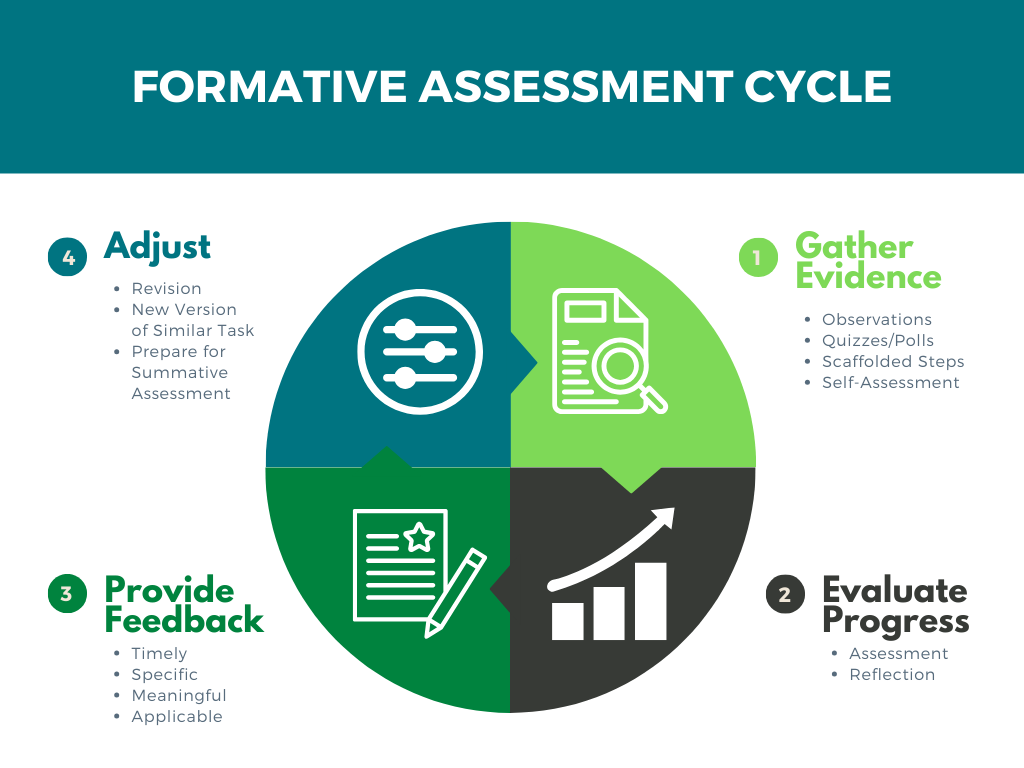
Formative Assessment and Success-Oriented Feedback
Formative assessment is often discussed in K-12 settings as a standard and expected part of curriculum delivery. In higher education, however, conversations about formative assessment have been somewhat more elusive. Traditionally, we rely on the high-stakes midterm, project, paper, final model which leaves little room for formative assessment that can foster growth.
Using formative assessments is a valuable curriculum practice that allows faculty and students to monitor student progress toward completing larger, summative assessments and achieving the course’s learning objectives. But what makes formative assessment a valuable tool for academic progress?
Continue reading “Formative Assessment and Success-Oriented Feedback”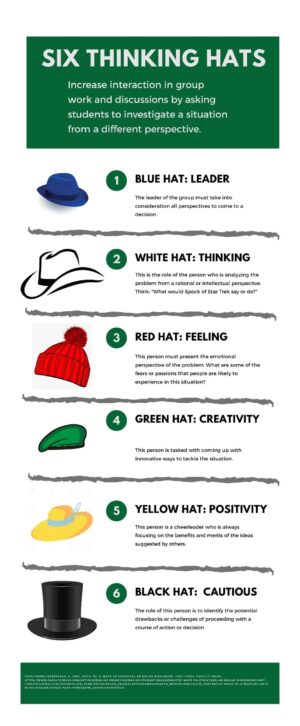
Group Work and Collaborative Learning
Collaborative learning is a well-established high-impact practice (HIPs). According to the Association of American Colleges and Universities, collaborative learning has two main goals: the first is to have students work together to solve problems or find solutions. And the second is for students to gain access to perspectives, experiences, and information they may have not yet considered or had access to. Collaborative learning can be a small pair-share experience after a micro-lecture or it can be a larger, weeks-long group research project.